Naknek Seafood

Naknek, Alaska · Bristol Bay set-net · Since 1947

Reserve your share of the catch.

Our family has fished the Naknek beach since 1947. Every July we pick sockeye by hand from our own set nets. When you reserve a share, you become a stakeholder in our season: your fillets come straight from our nets to your freezer, with no middlemen in between.

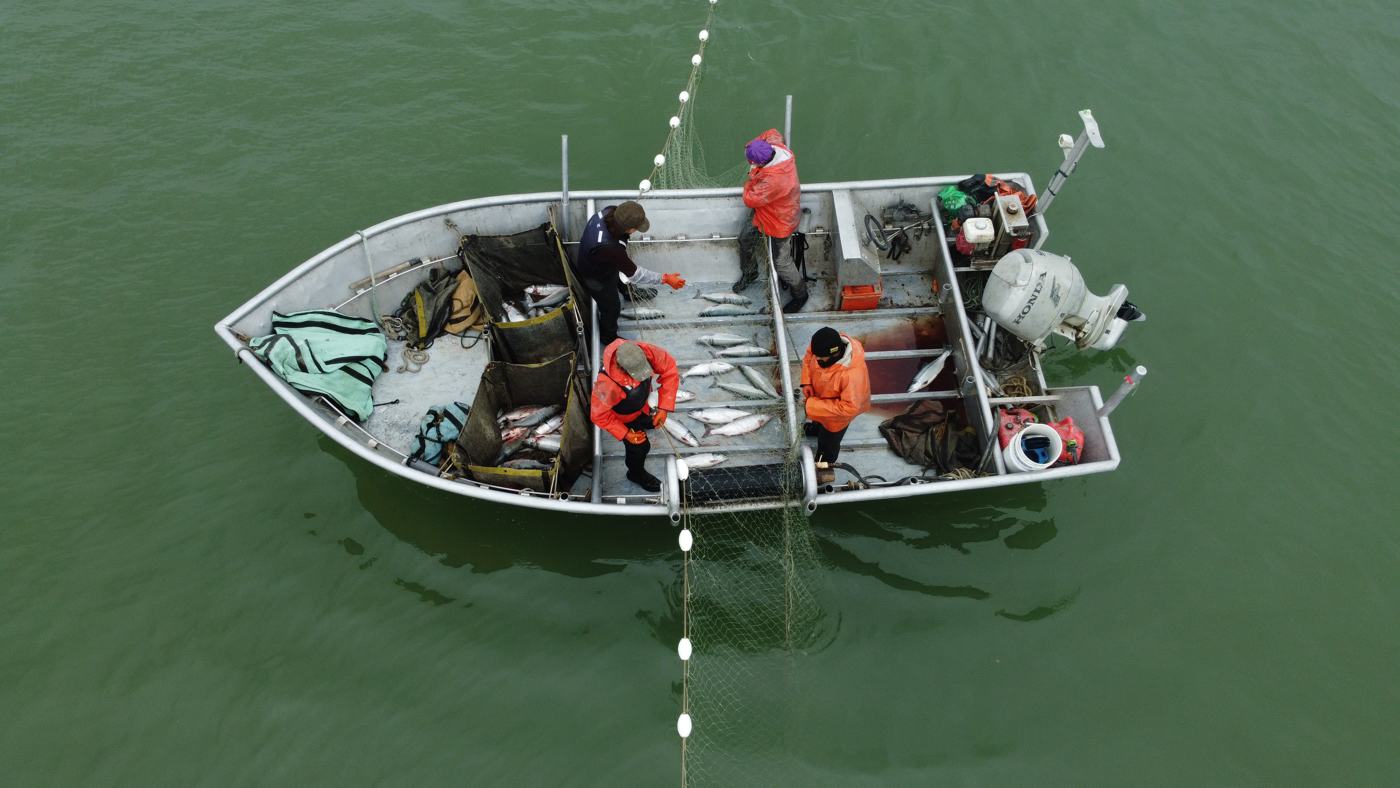
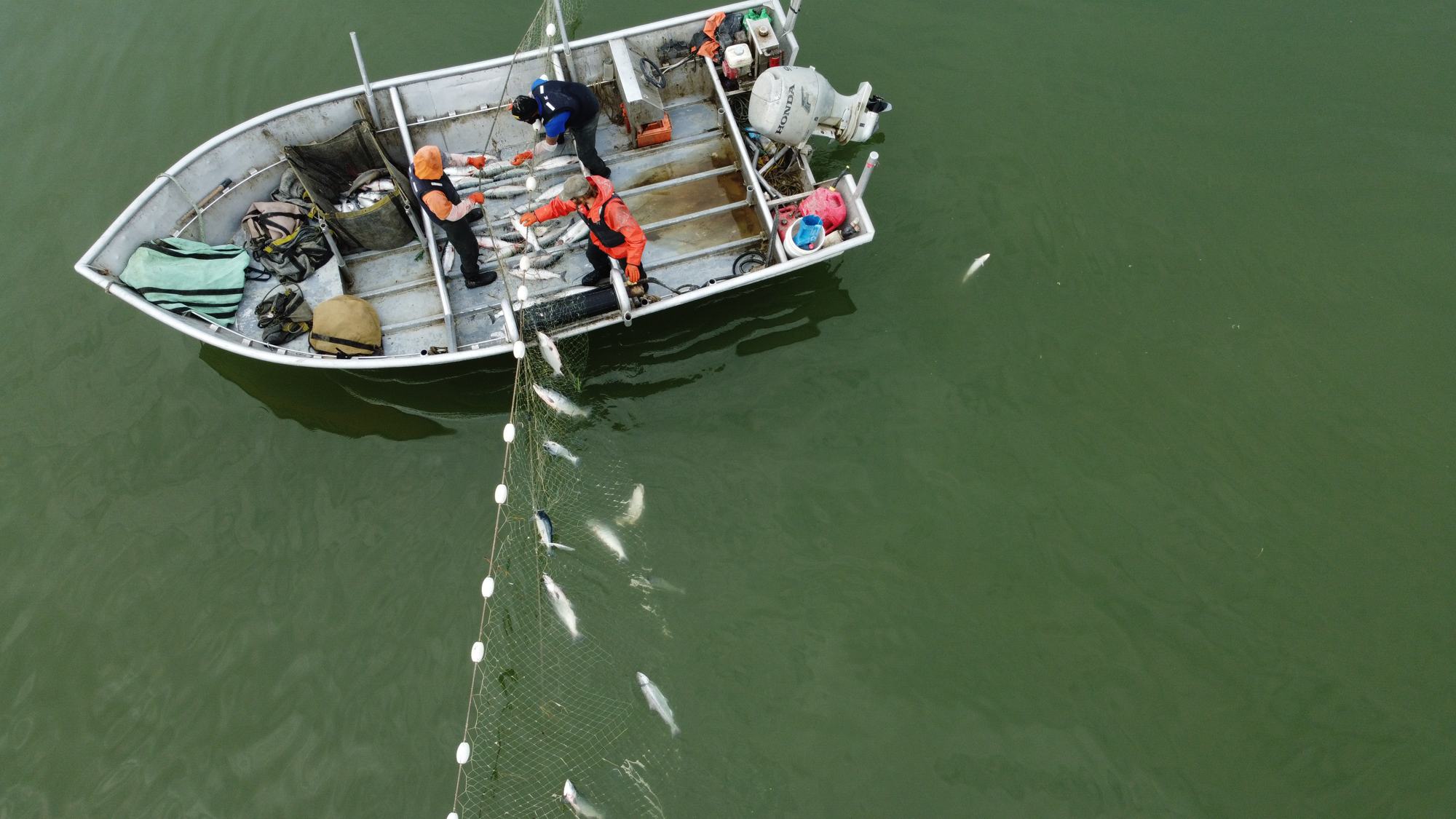
Aerial view of the crew picking sockeye from a set net beside an aluminum skiff
Picking the net off the Naknek beach
Since 1947Our family on the Naknek beach
35+ seasonsDavid running nets in Bristol Bay
Picked by handFrom our own set nets and skiffs
Plain brown boxMoney goes into fish, not packaging

Our family's fishery

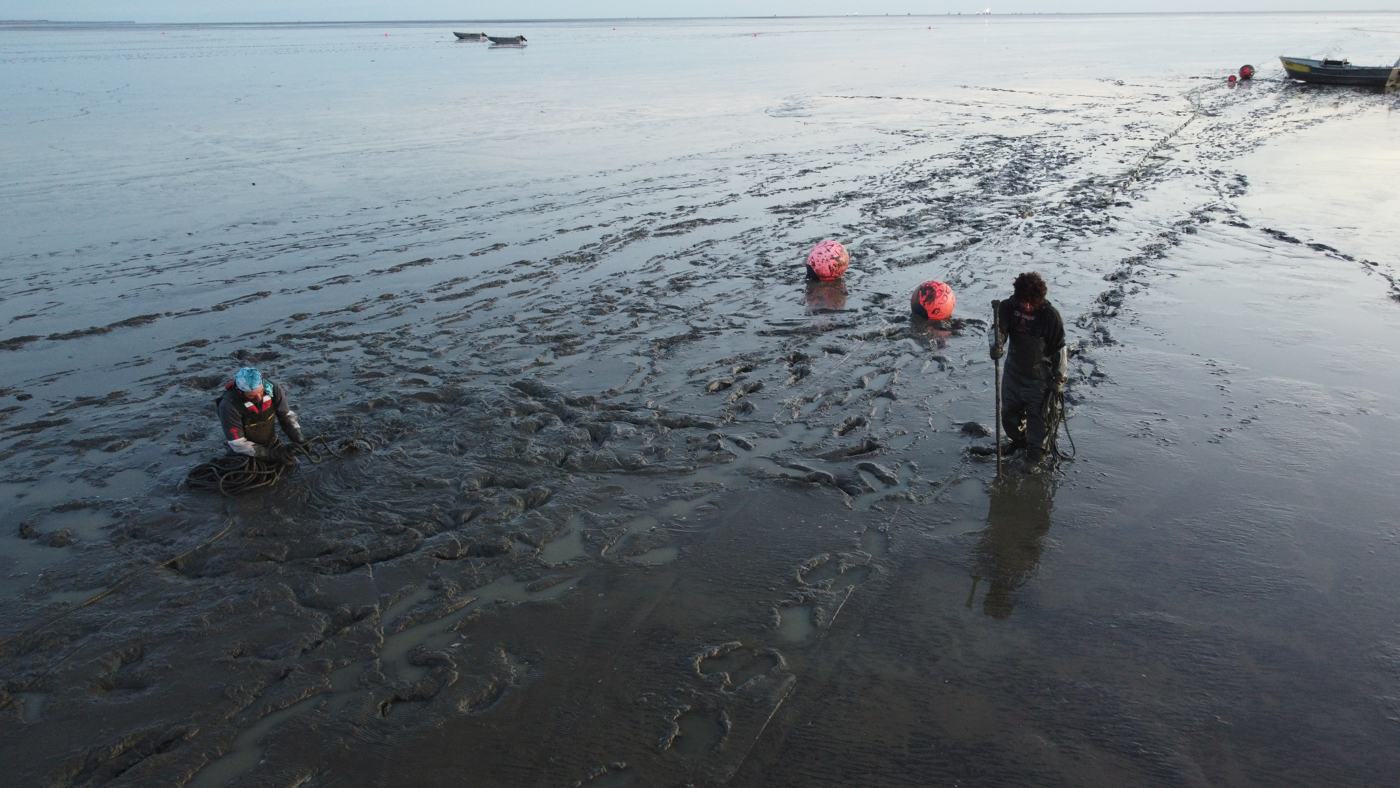
A life on the mud

Bristol Bay has the largest wild sockeye run in the world. Four generations of our family have met it the same way: from a muddy beach near the mouth of the Naknek River, working the tides.

  1. 1947

    North to Bristol Bay

    Denton and Jan Moore head north to Bristol Bay. After a homestead at Kokhanok on Lake Iliamna, they settle in Naknek. Denton later wrote a book about those years.

  2. Jan

    A mother on the beach

    Jan takes the lead in raising the family's six kids and keeps them fishing. She's wary of skiffs, so the beach becomes the family's fishing ground.

  3. Liz

    Since she was four

    Jan's daughter Liz Moore, David's mother, has been part of the fishery since she was four. She has run the family's set-net operation with half a dozen skiffs, a crew of ten, and a lot of mud.

  4. David

    35+ seasons and counting

    David has fished Bristol Bay for more than 35 seasons. In 2004 he started Naknek Seafood so people could buy our fish straight from the family that catches it.

  5. Next

    The fourth generation

    Our kids spend their summers in rubber boots on the same beach, learning the tides.

“Here, it’s a life on mud.”

Liz Moore, in The Seattle Times, 2022
Read The Seattle Times story about our family’s beach →

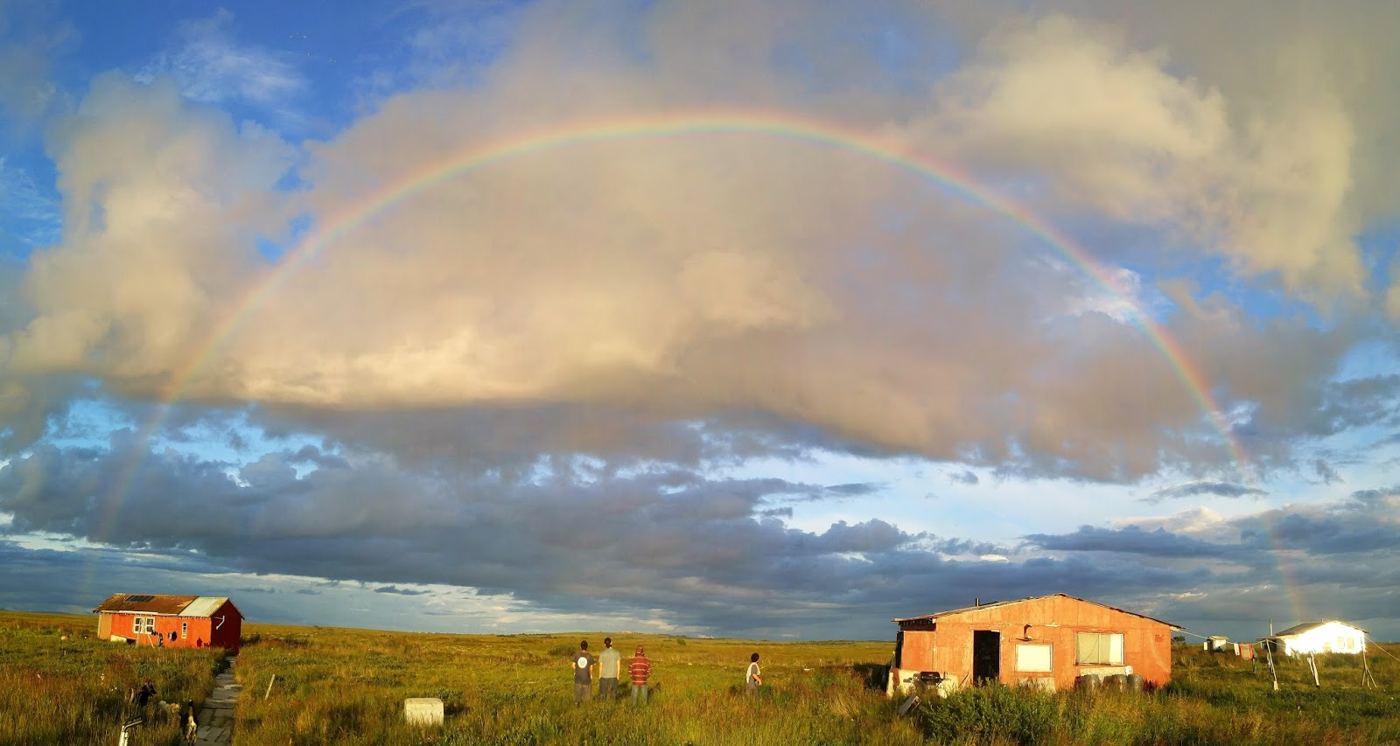
Rainbow over the family's fish camp cabins on the tundra
Fish camp after a summer rain
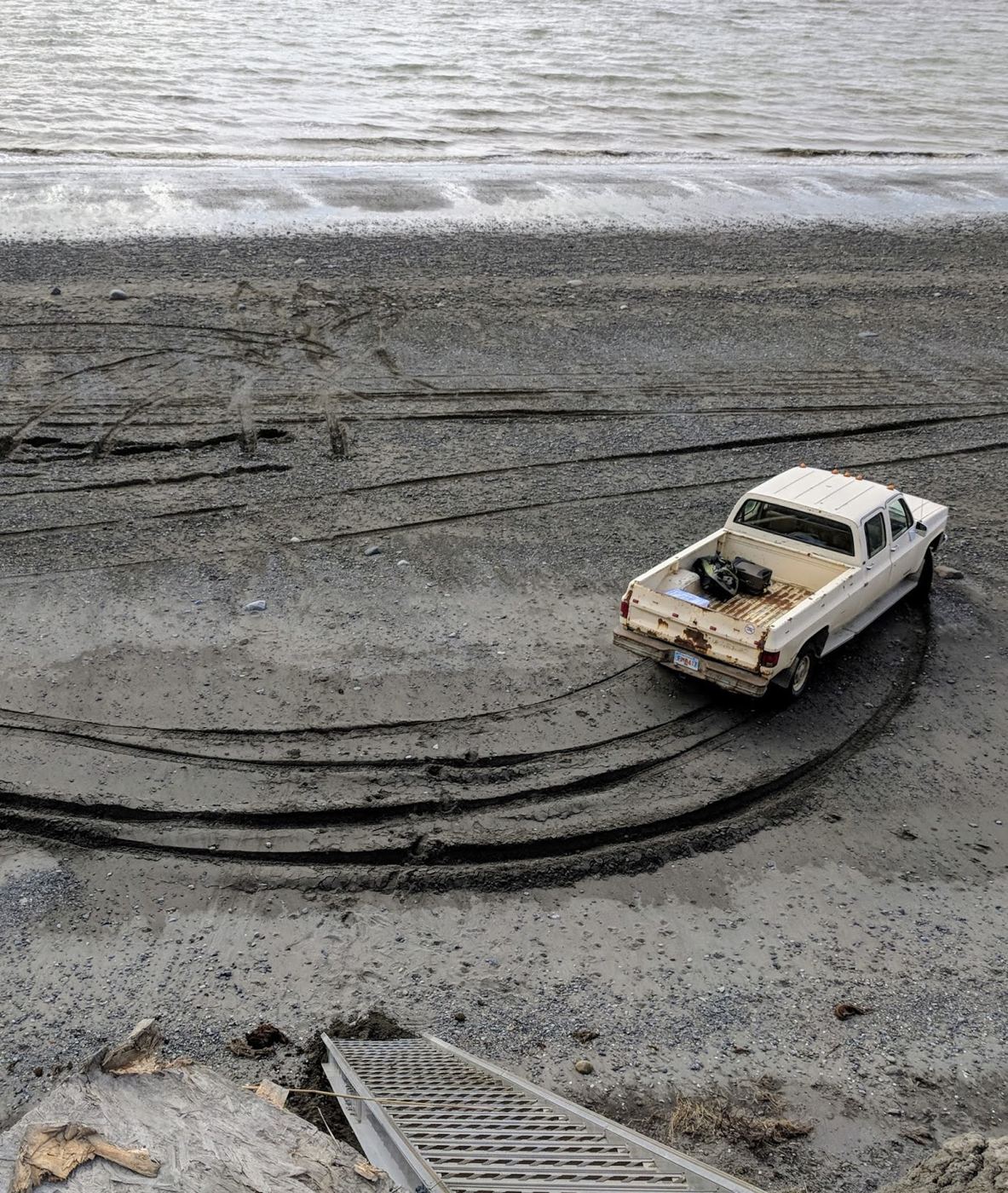
Looking down the bluff stairs at a pickup on the beach at low tide
Down the bluff to the beach
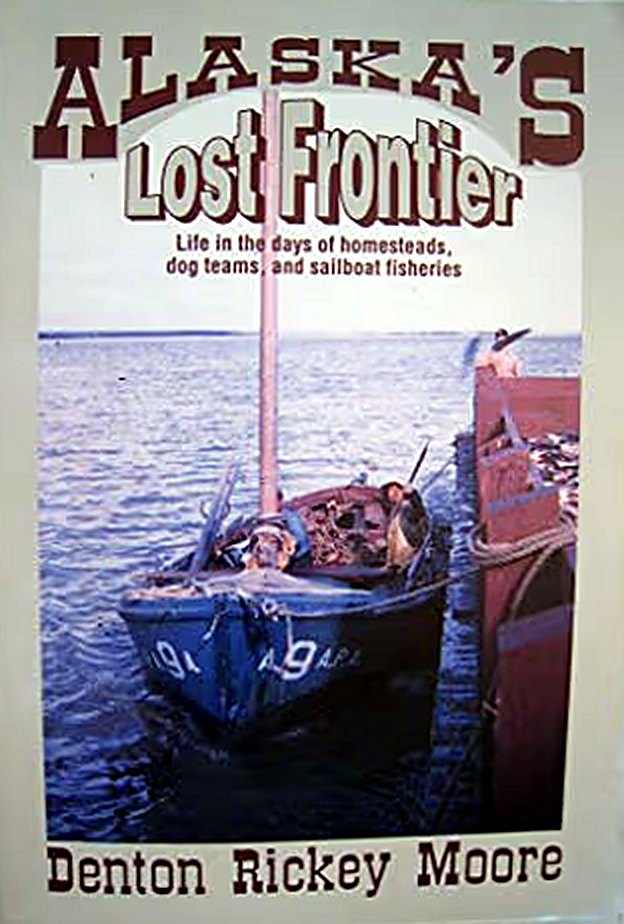
Cover of Alaska’s Lost Frontier by Denton Rickey Moore, showing a Bristol Bay sailboat alongside a tender

From our grandfather’s pen

Alaska’s Lost Frontier

Before our family ever set a net on the Naknek beach, David’s grandfather Denton Rickey Moore was homesteading in Alaska. He wrote it all down in Alaska’s Lost Frontier: Life in the Days of Homesteads, Dog Teams, and Sailboat Fisheries: true stories of hard winters, dog teams, and a Bristol Bay that was still fished under sail.

It’s the beginning of the story your share is part of. Used copies still turn up.

Find a copy on AbeBooks

On the net

Where your share comes from

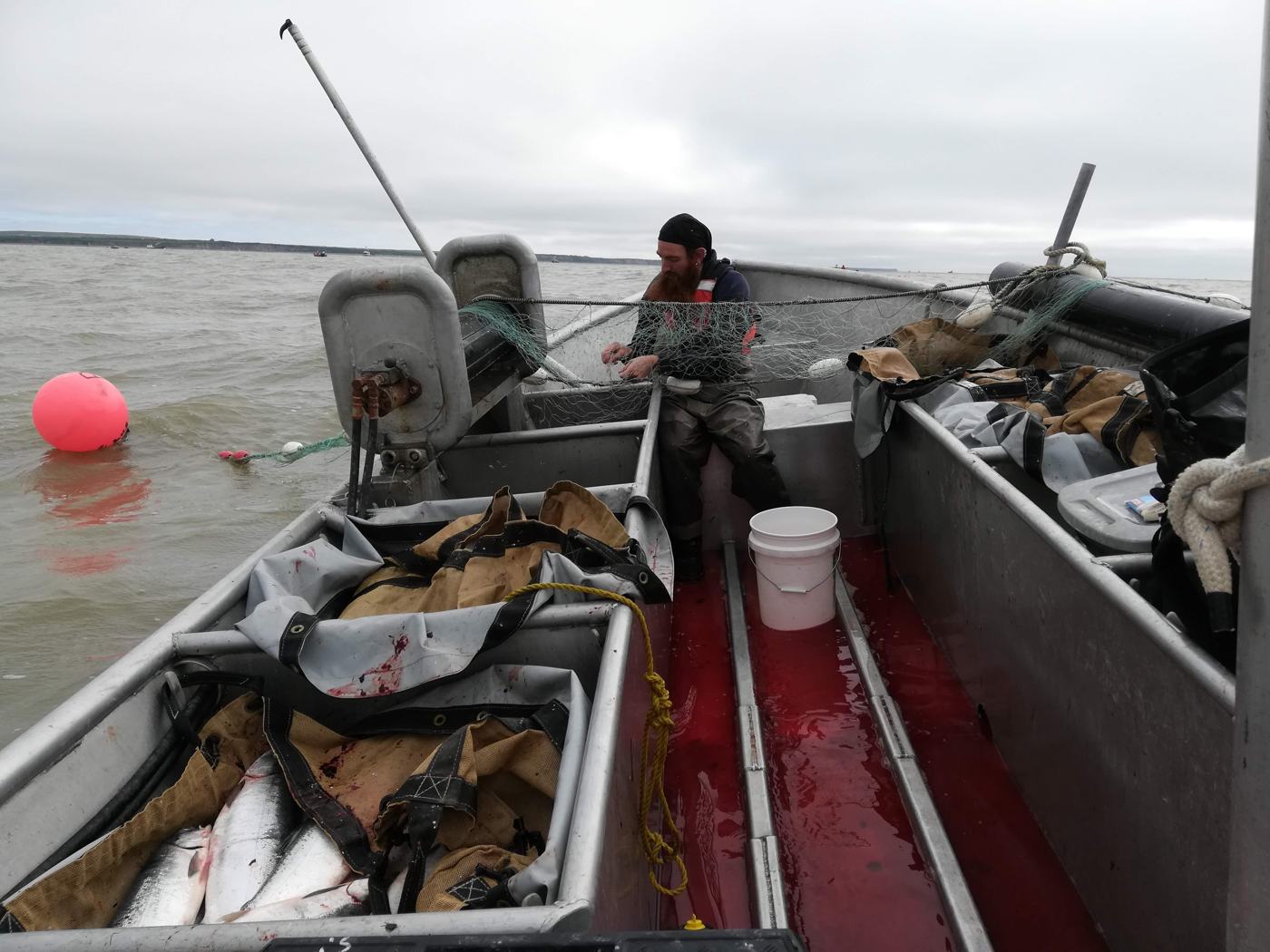
Running the net off Naknek in July. The nets stay anchored off the beach, and the crew picks each sockeye out by hand, tide after tide.

The fish

Wild Bristol Bay sockeye

Deep-red, rich sockeye from the world's biggest run, caught by our own crew and cut two ways: whole fillets or ready-to-cook portions. Every fillet is hand cut, flash frozen, and vacuum packed.

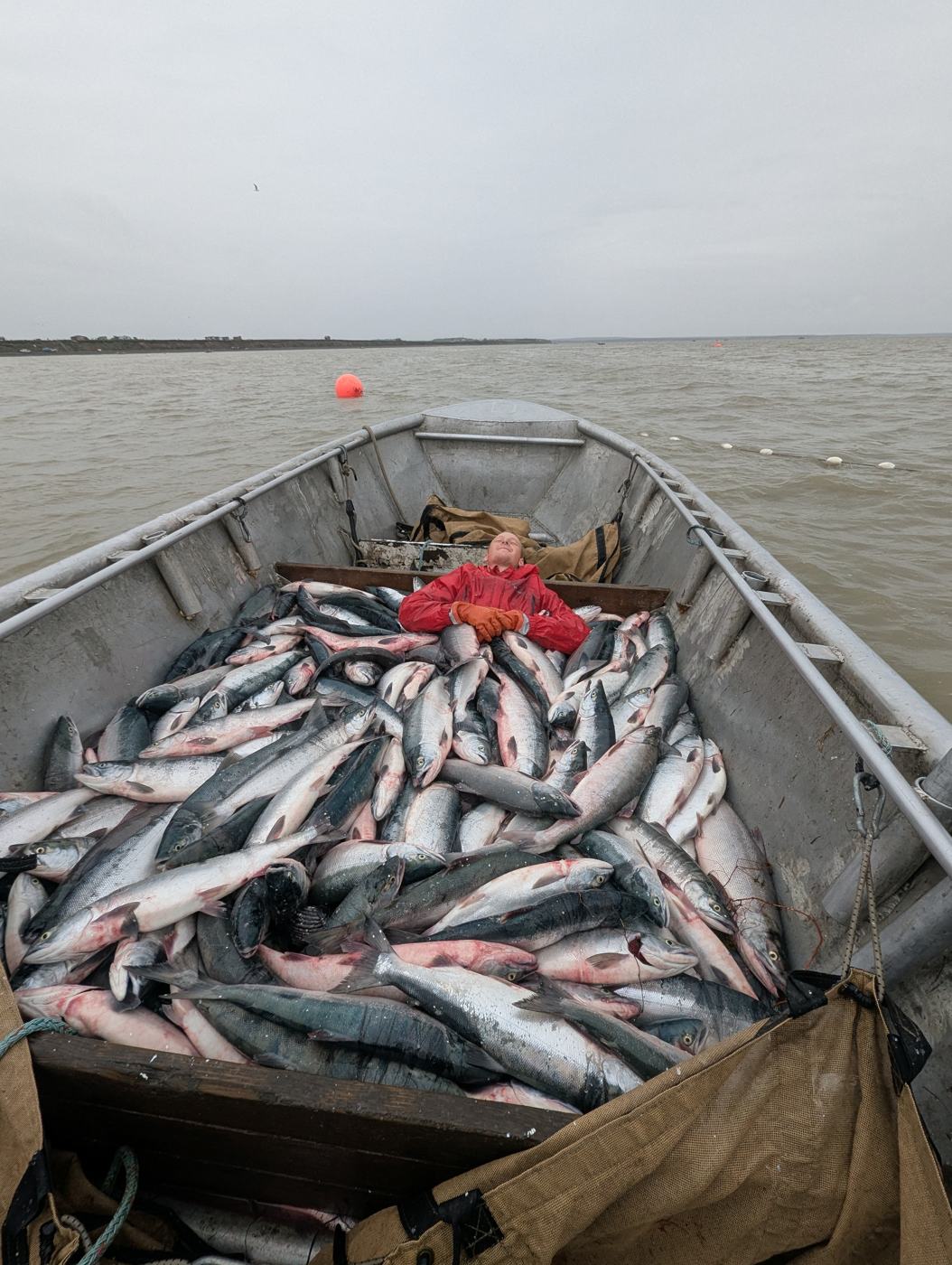
A crew member lying back on a skiff loaded with fresh sockeye
A good tide.

Picked by hand, off our own nets

Set-netting means our nets are anchored off the beach and worked from small skiffs. Every sockeye in your share was picked out of our net by our crew, one fish at a time.

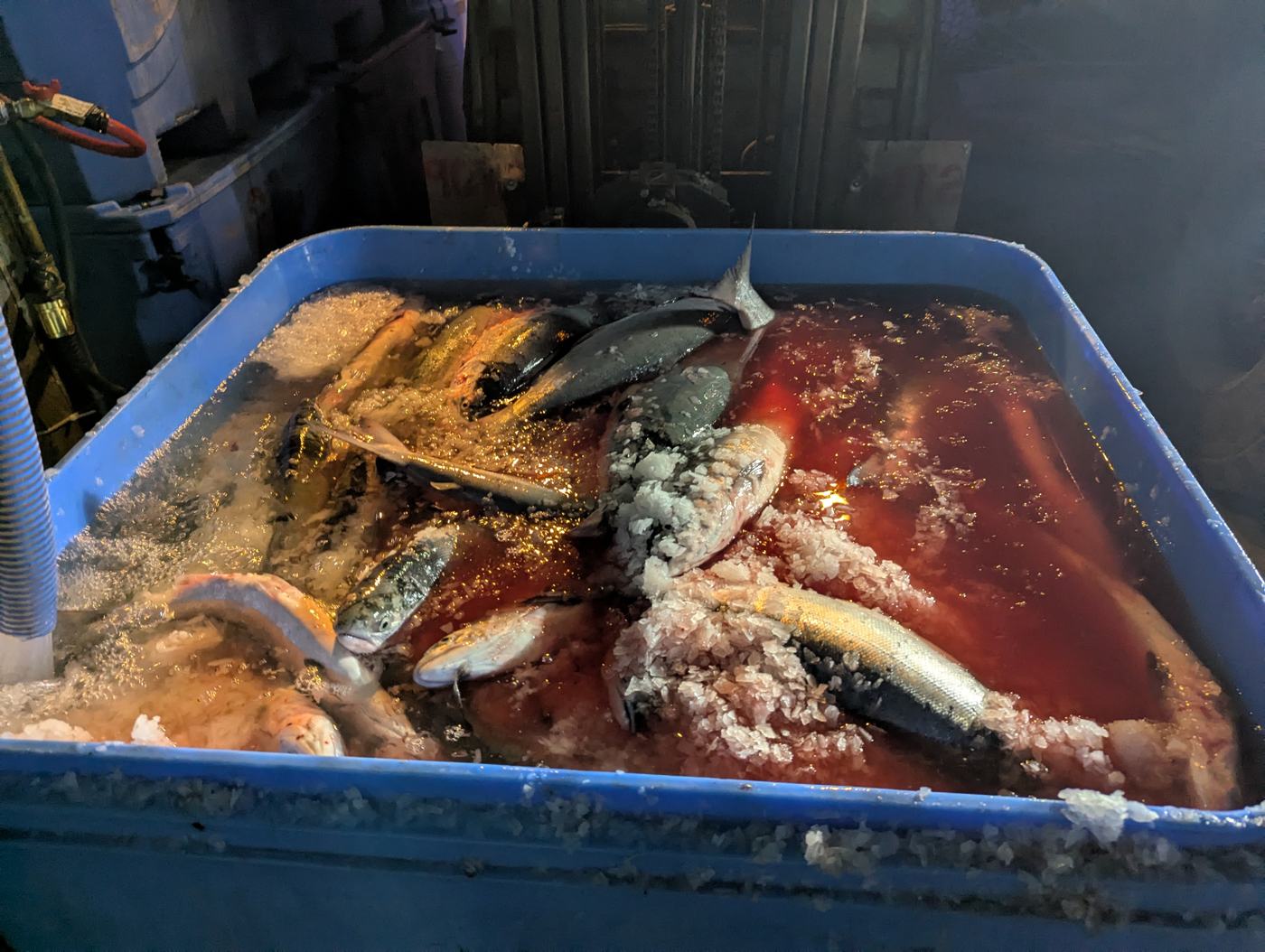
Fresh sockeye chilling in a tote of ice slush
Straight from the skiff into ice slush.

No frills, on purpose

It comes in a plain brown box

No glossy printing and no gift packaging. You get your fish the same way our deckhands take theirs home at the end of the season: frozen, in a plain brown box.

Every dollar we don't spend on packaging stays in the price of the fish. That savings goes to you.

Deckhand-style
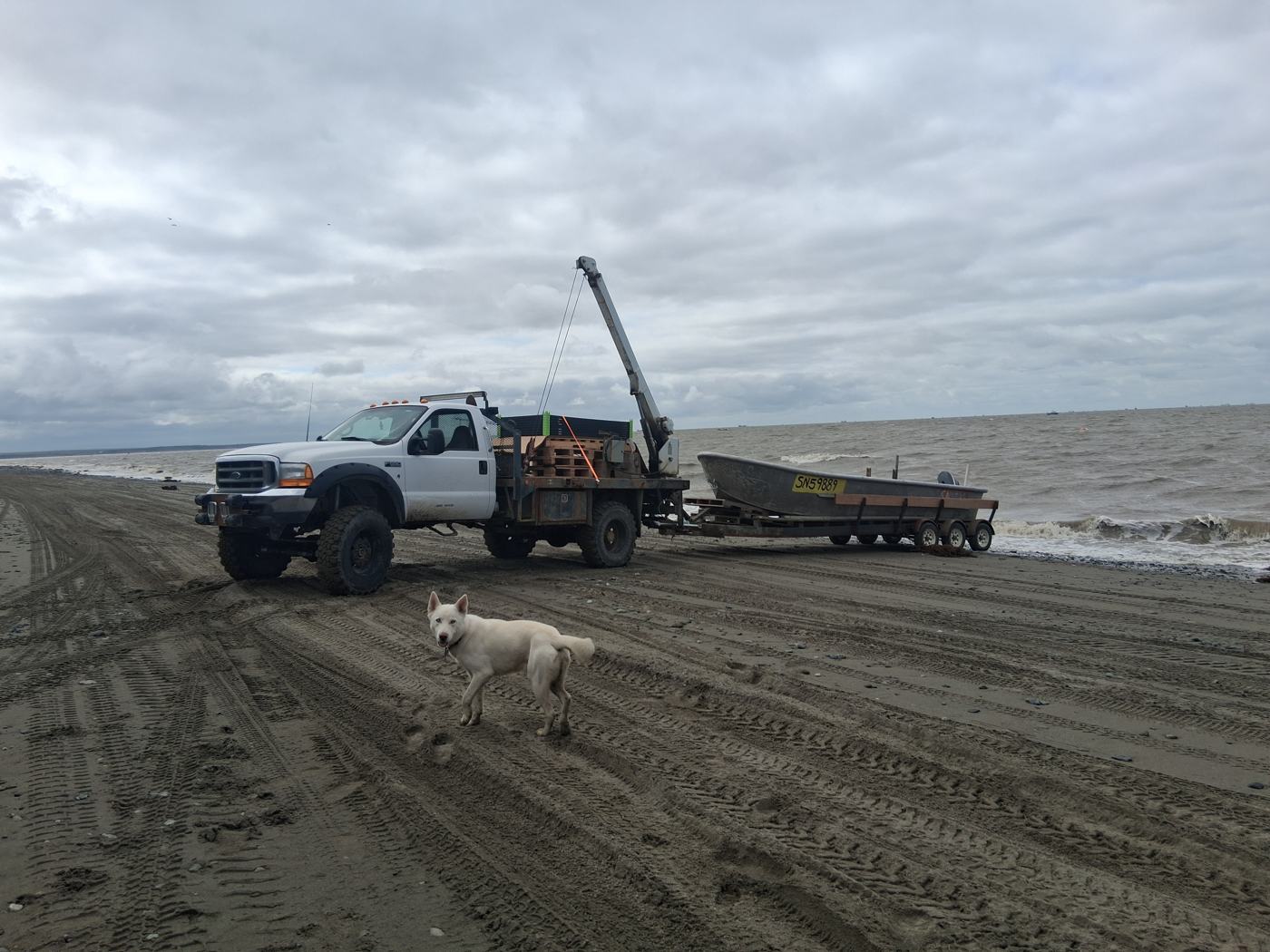
Flatbed truck and skiff on the beach with a white dog
Our gear is working gear, and our packaging is too.

How fishermen get their fish home

It flies to your airport, not your door

At the end of every season, Bristol Bay fishermen send their own fish home the same way: frozen boxes on air cargo out of Anchorage. Your share takes that same trip. Outside Western Washington, we don't ship to homes. We fly your share to the airport nearest you, and you pick it up.

  1. Pick your airportChoose from airports we can reach on Alaska, Delta, United or American cargo.
  2. We book the flightYour box flies frozen out of Anchorage. We send you the flight and air waybill number for every order.
  3. Pick it up at air cargoCall the airline's cargo office to check that it's in, then pick it up right away with your ID. Don't wait for the airline to call you.

Air freight runs about $ per shipment to most airports. That's the airline minimum, and it covers several shares on one shipment. Reserve together with friends or neighbors and split it.

How shares work

From our nets to your freezer

A share isn't a grocery order. It's a stake in one family's fishing season. You reserve before we leave for Alaska, we fish the run, and a share of what comes over our rails is yours.

  1. Reserve

    Tell us where your fish is going, pick your shares and cut, and reserve with a deposit.

  2. July

    We fish

    Our crew fishes the Bristol Bay sockeye run from our Naknek set-net sites.

  3. It comes south

    Your share is frozen and comes south. In Western Washington we deliver it. Everywhere else, it flies air cargo to your airport, starting the first week of August.

  4. At delivery

    Pay the balance

    We send an invoice for the rest. For shares that fly, the air freight is on that invoice.

Reserve next season's fish

Reserve your share

Shares for the season are open until .

Share basics

Whole fillets

$a share flown to your airport · $/lb + air freight
$a share delivered in Western WA · $/lb · ½ share $

Portions

$a share flown to your airport · $/lb + air freight
$a share delivered in Western WA · $/lb · ½ share $

What one share looks like

About whole sockeye fillets (average lb each), or the same lb cut into portions. That's roughly six-ounce servings: salmon night every week for about seven months for a family of four.

  • One share is a 50 lb box holding lb of fish. You pay for the fish only.
  • 50% deposit reserves your share. The balance, plus air freight if it's flying, is due when it ships or is delivered.
  • Outside Western Washington, we ship to airports, not homes. Your share flies air cargo to your nearest airport and you pick it up there.
  • Deposits are fully refundable until . If a short season means we can't fill your share, you get 100% back.
Where is your fish going?

Pick a location to see the share options available there.

Naknek, Alaska

A season on the beach

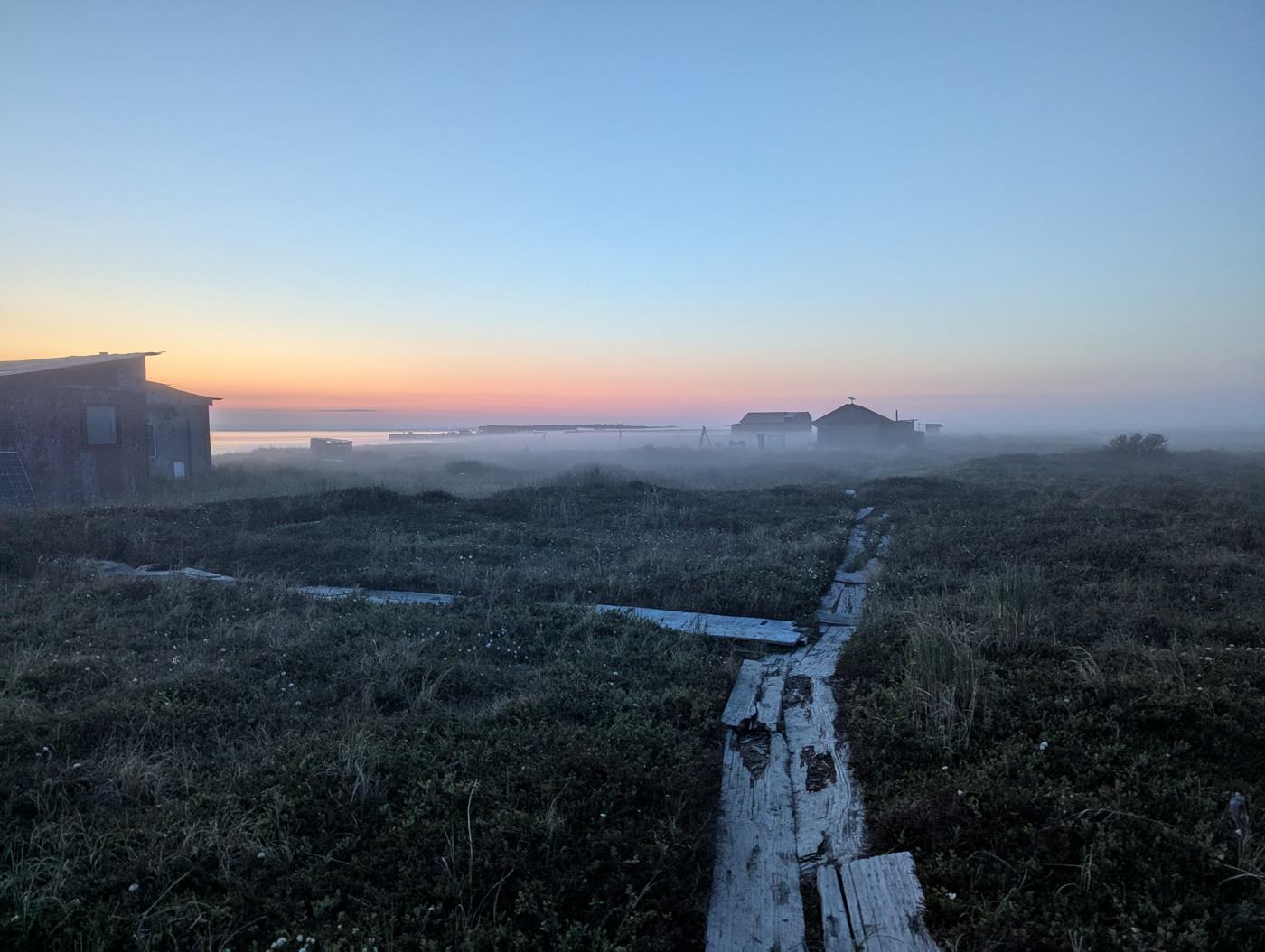
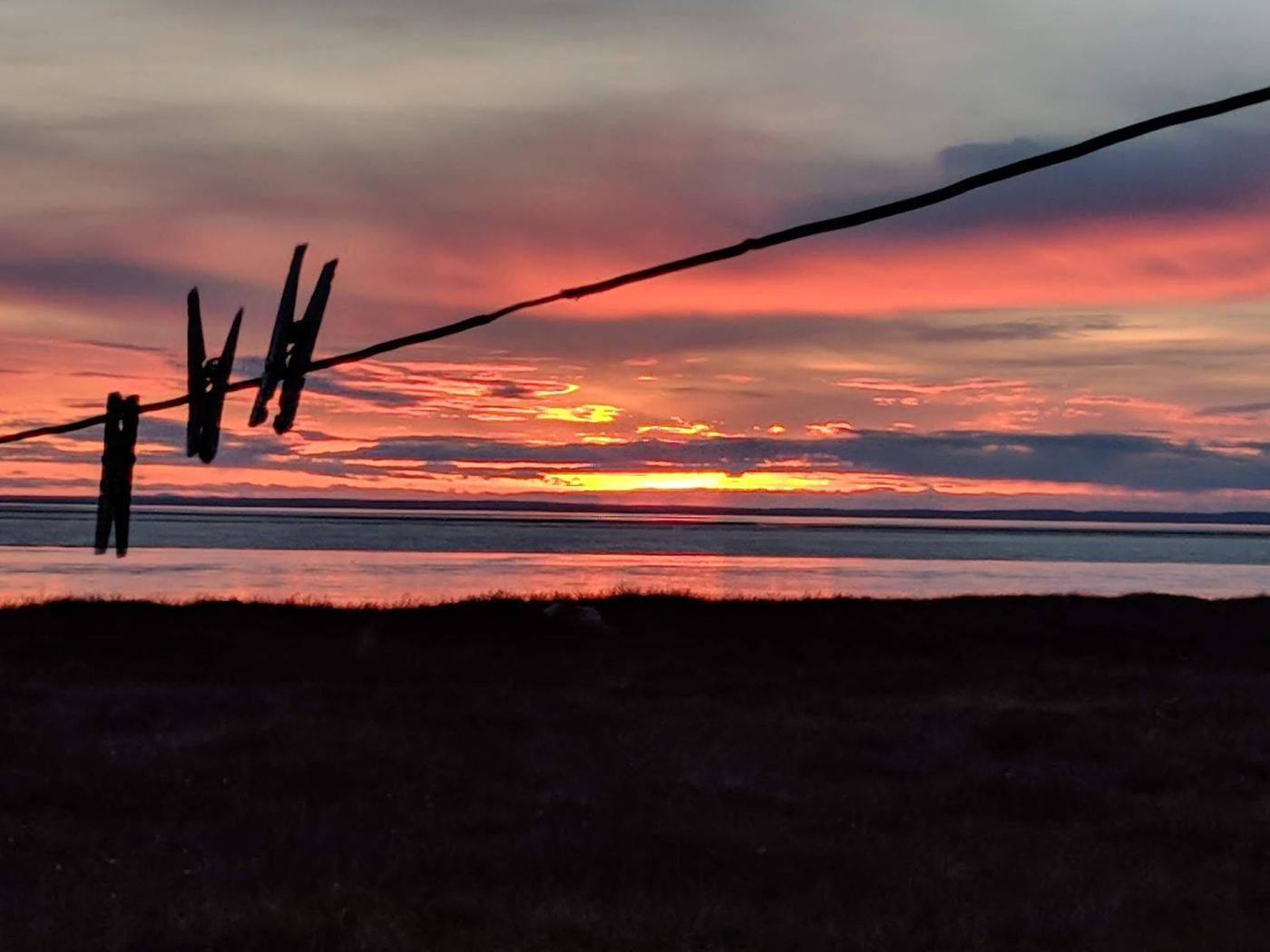
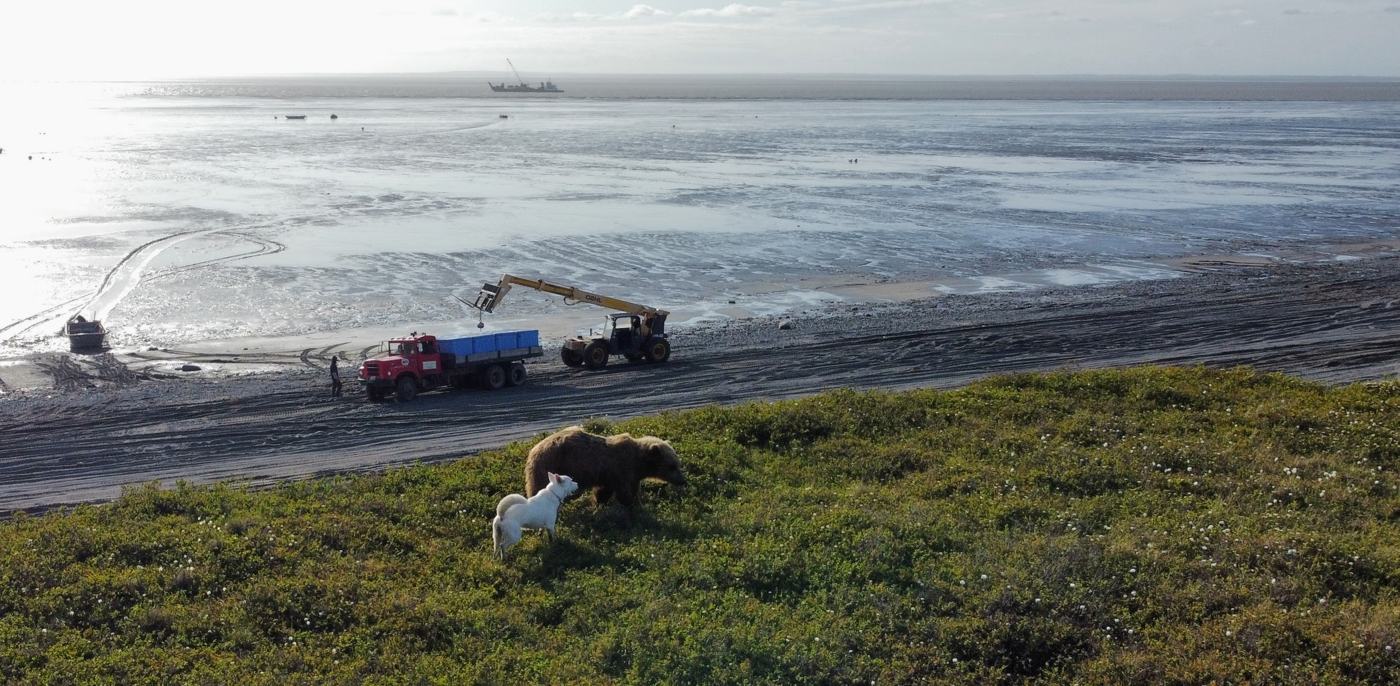
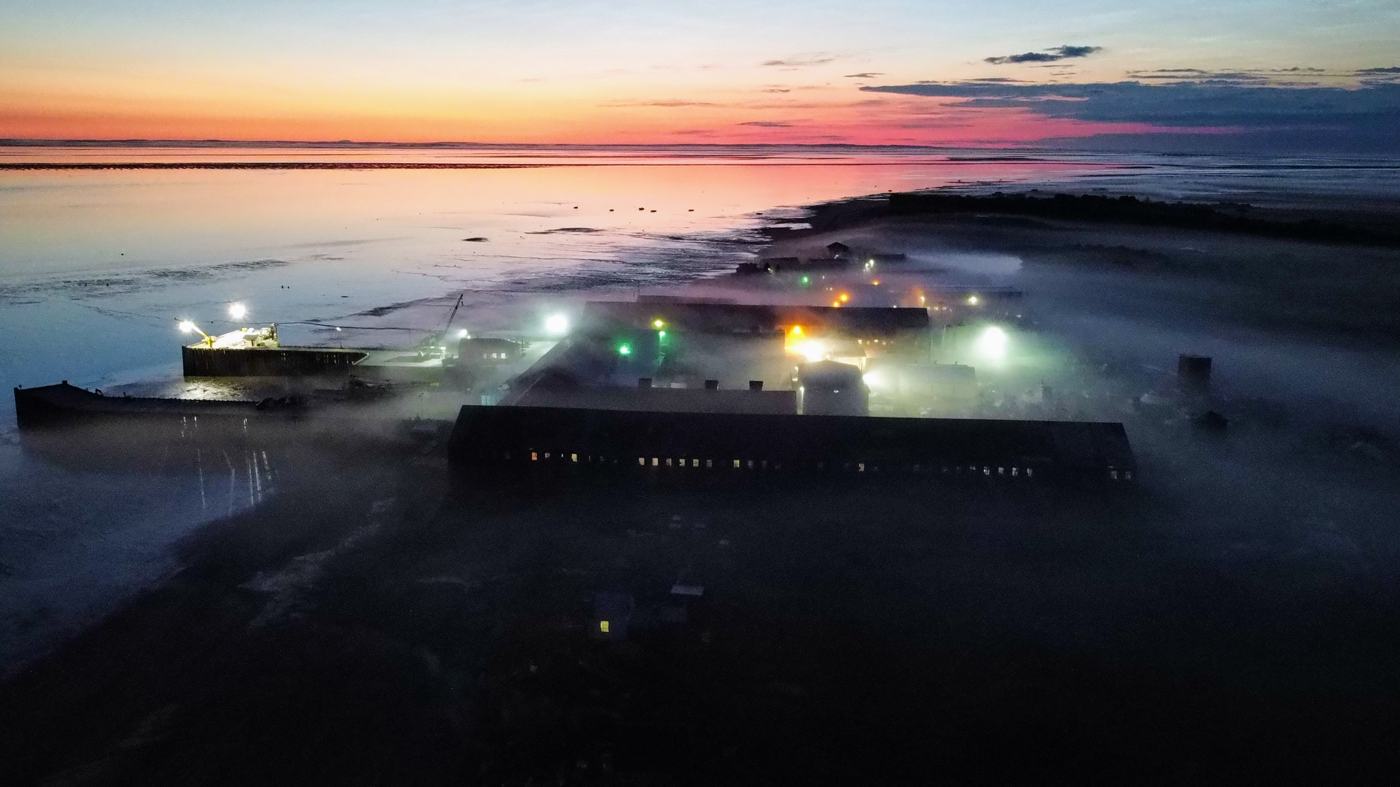
Mud flats at low tide, fog over the cabins at 2 a.m., and the occasional brown bear walking past the trucks. This is where your salmon comes from.

Before you reserve

Questions & policies

What's in a share?

One share is a 50 lb box holding lb of frozen sockeye: about whole fillets, or the same weight in portions. The rest is packaging. You only pay for the fish. Western Washington customers can reserve half shares, so 1½ or 2½ shares work too. Shares that fly to an airport come in whole boxes. Splitting a share with friends or family is common.

When can I reserve?

Shares for next season open in July and close June 1. Right now we're taking reservations for the season, until .

Can I get my deposit back?

Yes. Deposits are fully refundable until 30 days before reservations close, which is this season. After that, deposits are non-refundable because we've planned our catch around your share.

What if the season comes up short?

If a short run means we can't fill your share, you get 100% of your deposit back.

When does my fish arrive?

Shares start going out the first week of August. When you reserve, you can pick a week up to a couple of weeks later.

Where do you deliver in Western Washington?

We cover the I-5 corridor from Sea-Tac north to Bellingham: greater Seattle, greater Everett, and greater Bellingham. Depending on how much you order, we'll either deliver to you or meet you at a pickup spot, and we'll set up the time and place with you.

How much is air freight?

Air freight is the airline cargo rate from Anchorage to your airport, plus 5% handling, charged on the full box weight (50 lb a share). Airlines have a minimum per shipment, so with handling one share and three shares to the same airport often cost the same: about $. The order form estimates yours. The final amount is on your balance invoice.

How does airport pickup work?

It's how fishermen get their own fish home. We send your share frozen on a cargo flight and give you the flight and air waybill number. Don't wait for the airline to call you. They're supposed to, but often don't. Call the airline's cargo office with your air waybill number to check whether your shipment is in. As soon as it is, pick it up immediately at the cargo office (not baggage claim) with photo ID, and take it straight to your freezer.

Why a plain brown box?

Fancy packaging costs money and ends up in the recycling. We'd rather put that money into the price of the fish. You get it the same way our crew does.

Follow the season

Photos from the beach, run updates and ship dates, straight from Naknek.

Naknek Seafood on Facebook